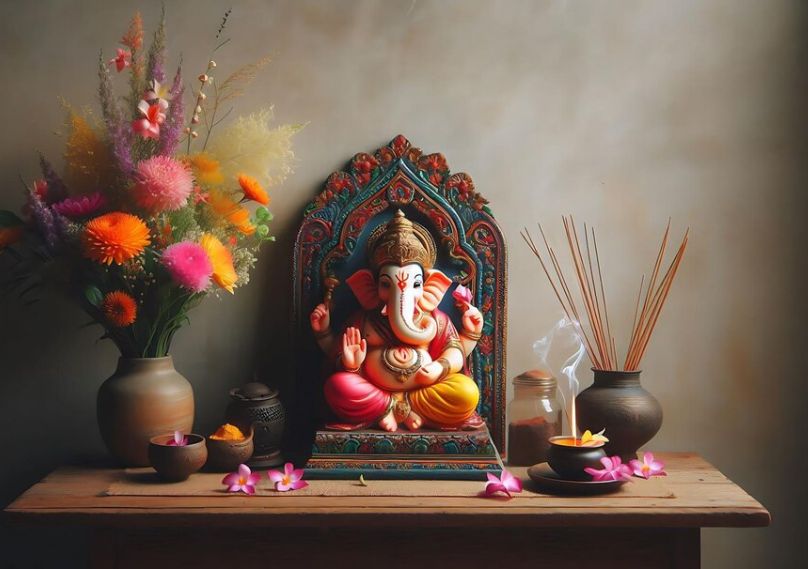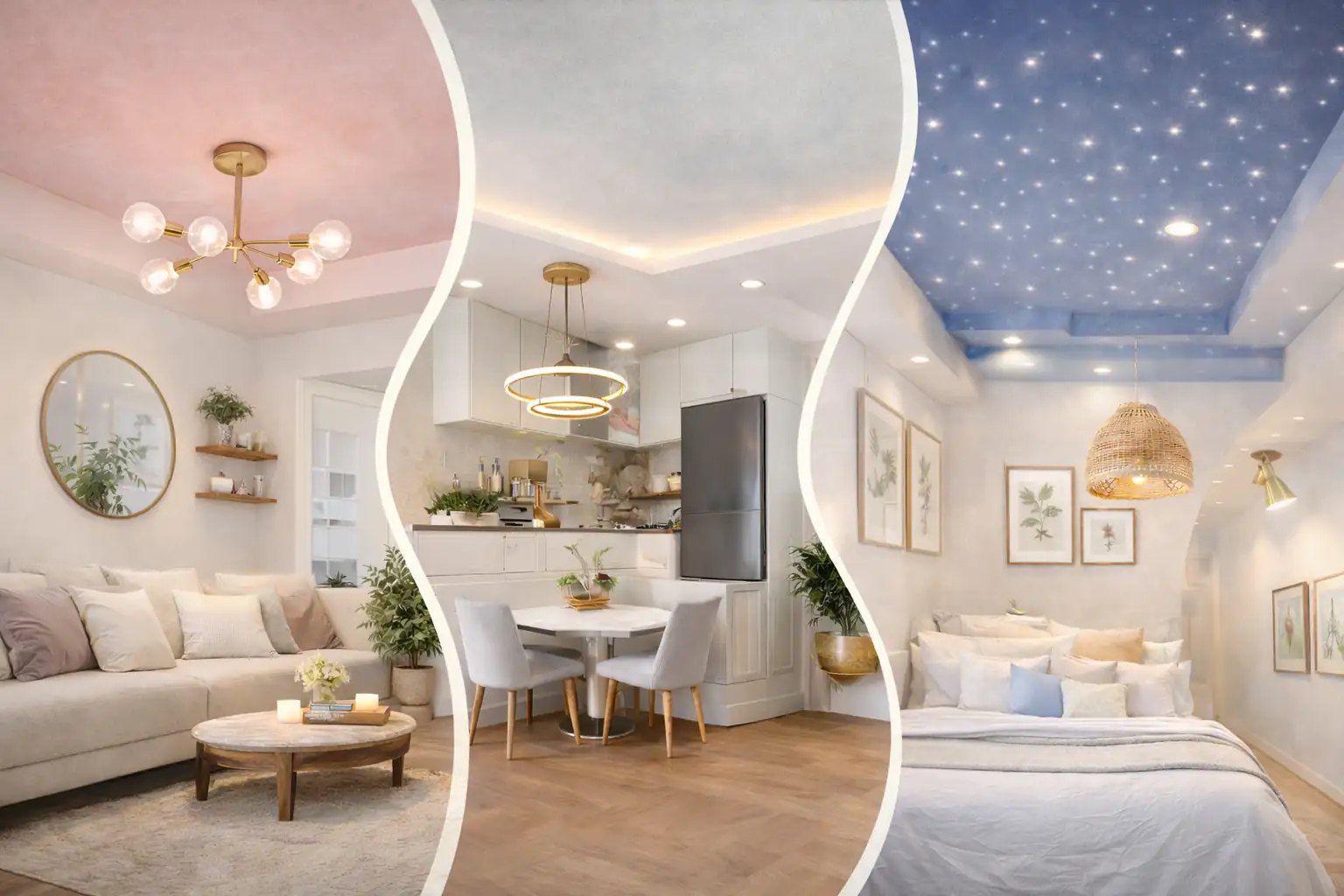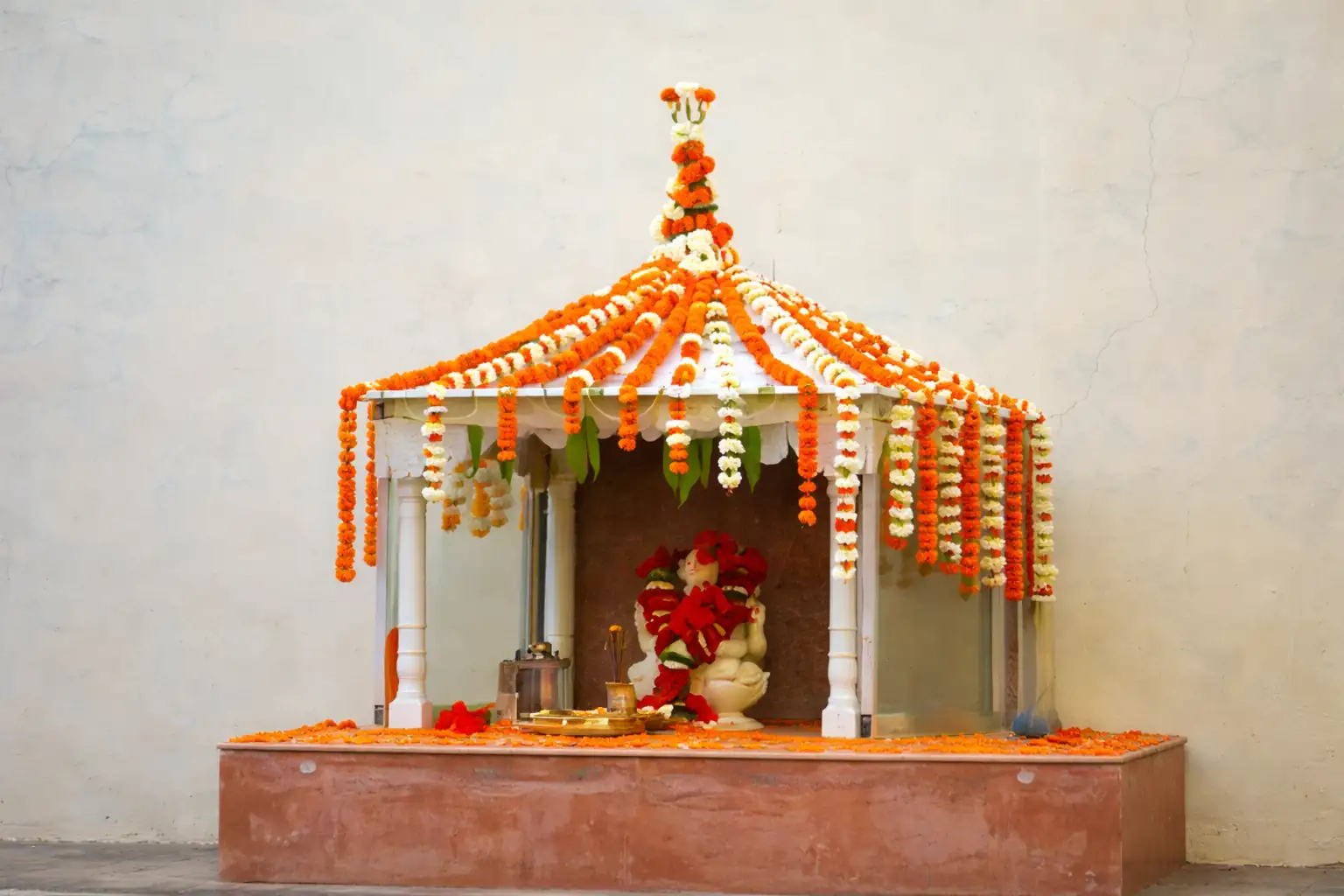
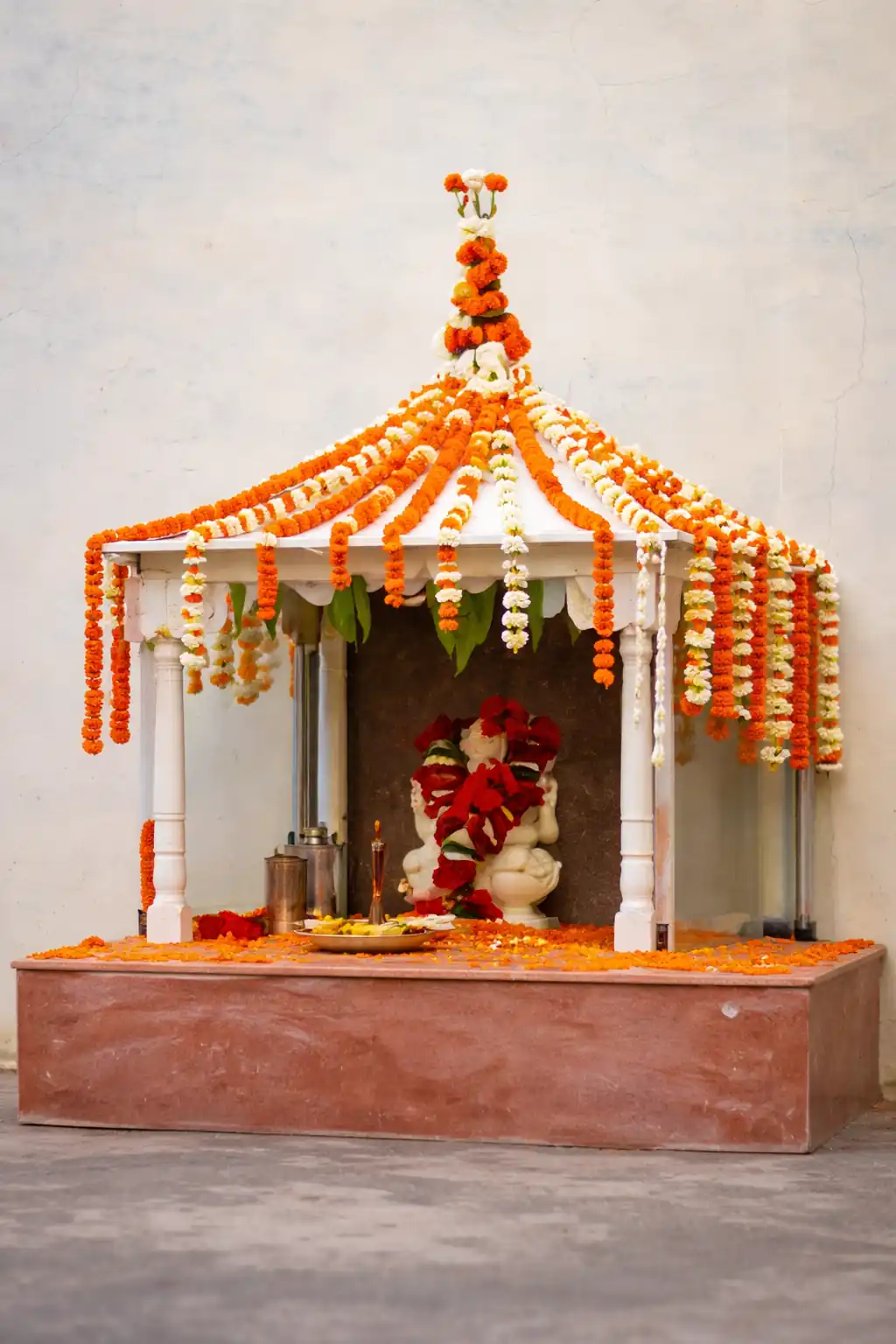



In Indian homes, the mandir is not just decor. It holds emotional significance and acts as a grounding part of the family’s routine. And yet, when it comes to deciding the mandir direction in the home, many people feel stuck between belief and practicality. You want to get it right, but you also don’t want to redesign your entire apartment for one part of the house.
Let’s see how you can slow down and approach this with design intelligence.
Most people treat interior design for their mandir like a checkbox: Find the “correct” direction, install it, and that’s it. But when you do not consider the realities of how your home functions, the direction of the mandir in your home can cause problems over time. It may end up placed in a passage where everyone brushes past it, squeezed near the kitchen because “that’s the only wall free,” or awkwardly positioned at shoulder height because of storage below.
This could mean that even when the mandir in your home faces the correct direction, the experience is distracting, crowded, and uncomfortable. It highlights an important point: the mandir direction in home is not just about compass points. It’s about how the space behaves daily.
Vastu rules for mandir placement in the home emphasise on allowing morning light for openness. This is why, traditionally, the northeast is considered the best direction for mandir in homes. The idea behind home temple Vastu guidelines is to create calm, clarity, and lightness. If your chosen spot feels dark, noisy, or cramped, then even the most “correct” mandir direction according to Vastu Shastra won’t feel right.
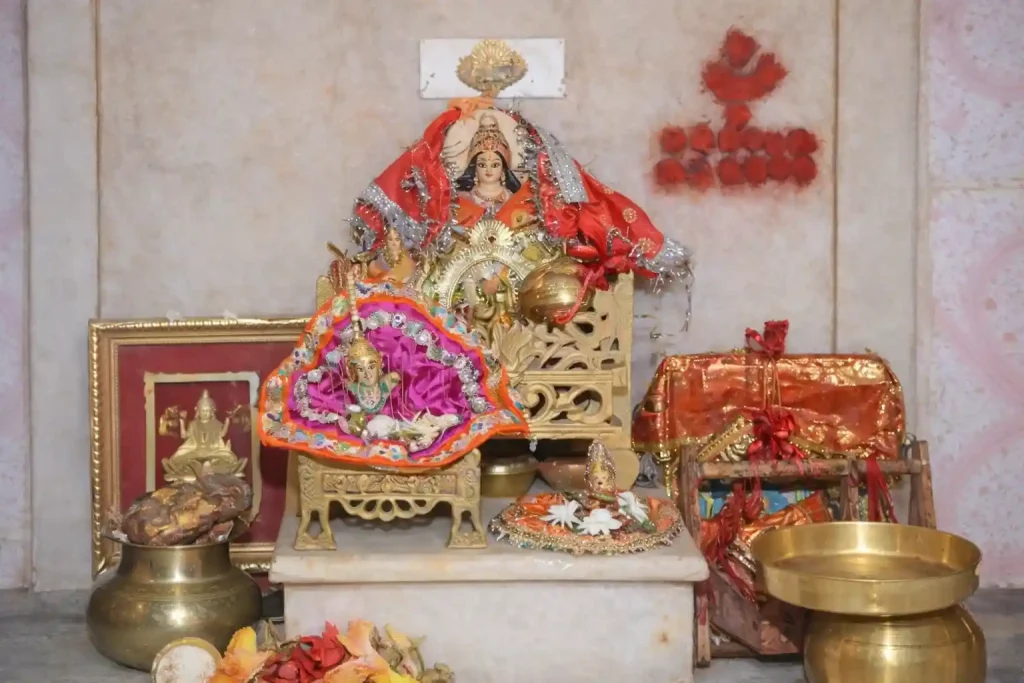
When people try to follow Vastu rules for the mandir direction in the home without considering everyday routines, a few common placement mistakes tend to appear, especially in compact city homes. Here are some of the most common ones that people tend to make:
Placing the mandir along the main circulation path from bedroom to kitchen is common in compact Mumbai homes. But imagine trying to pray while someone rushes past with a laptop bag. Sanctity needs stillness, which is hard to achieve in a constantly moving space.
In apartment layouts, especially in high-rises across Lower Parel or Andheri, plumbing stacks often dictate walls. Installing a home temple along a wall that carries plumbing lines might technically follow the Vastu guidelines for mandir direction in homes, but it can still disrupt emotional comfort.
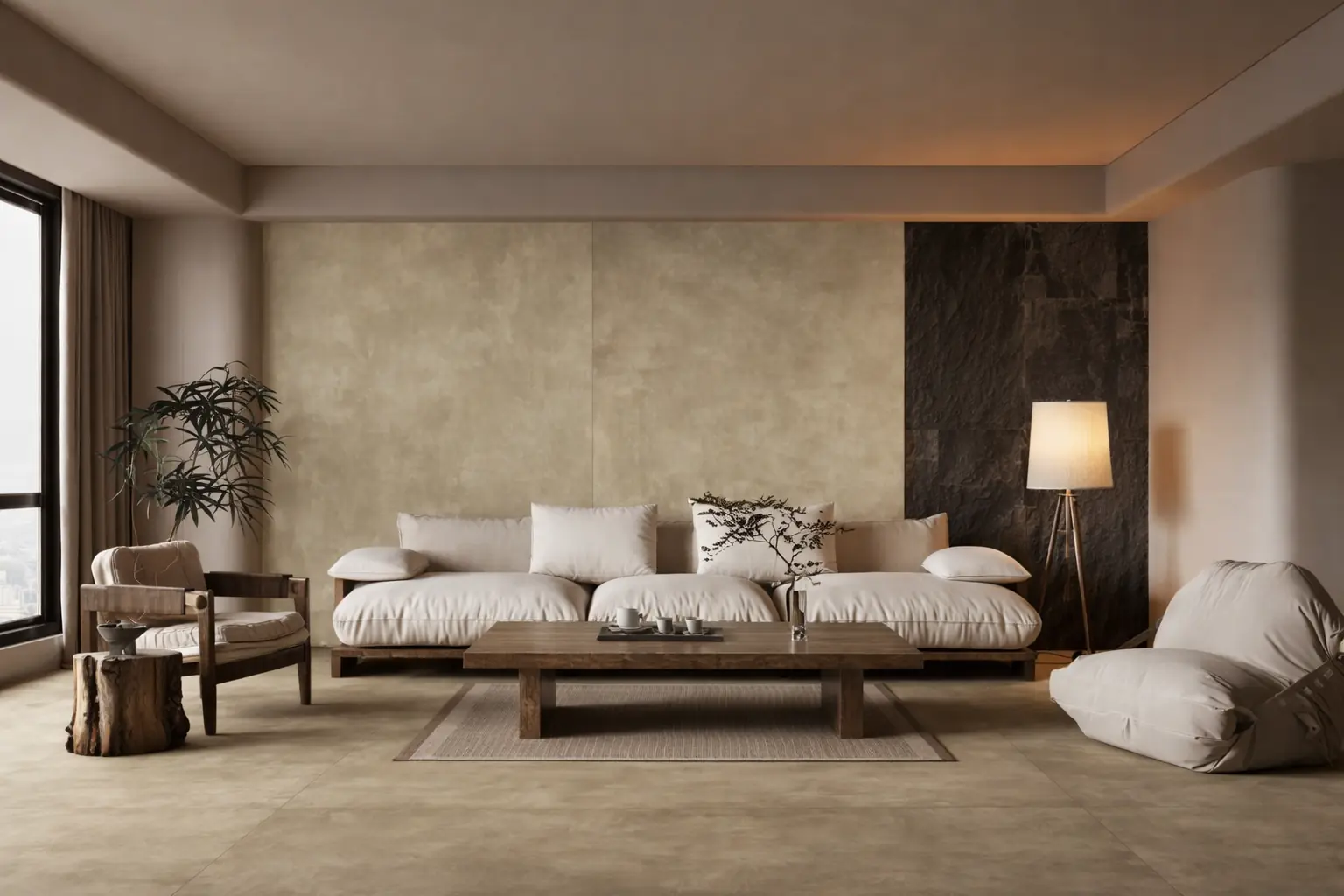
A dim corner with a spotlight is not the same as soft, natural illumination. Morning routines feel more grounded when light gently fills the space. In Bangalore homes where balconies bring in good daylight, positioning the mandir to receive indirect morning light makes the space feel calmer and more inviting during daily prayers.
While it’s important to ensure that your pooja room is facing the right direction for Vastu alignment, many homeowners tend to ignore eye level and posture in this process. If idols are placed too high, neck strain can become a real problem. Too low, and it forces you to bend or look down during prayer. This is why it’s important to ensure that the mandir direction in your home aligns with ergonomic comfort.
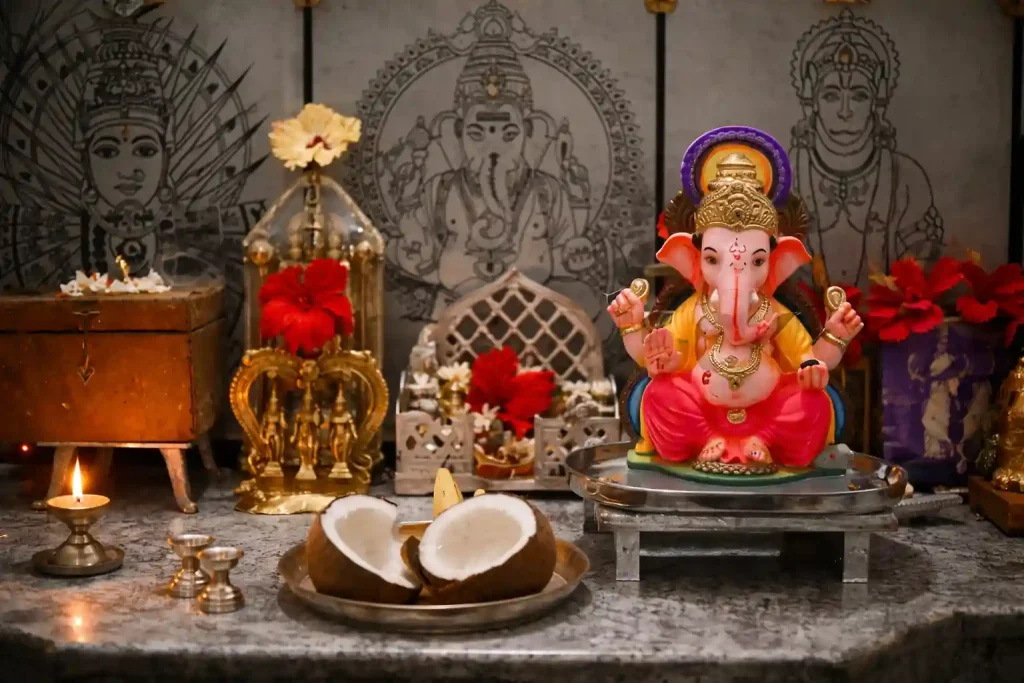
Think about your morning. You wake up, get ready for the day, make tea, and prepare breakfast for the family. Now imagine the mandir being placed in a way that blocks kitchen storage, forces you to stand in the hallway to pray, or sits directly opposite the TV wall.
Suddenly devotion feels rushed. The direction that the mandir faces in your home influences not just where you look while praying, but how you move around it. Noise levels, privacy, and visual clutter – all of these factors matter.
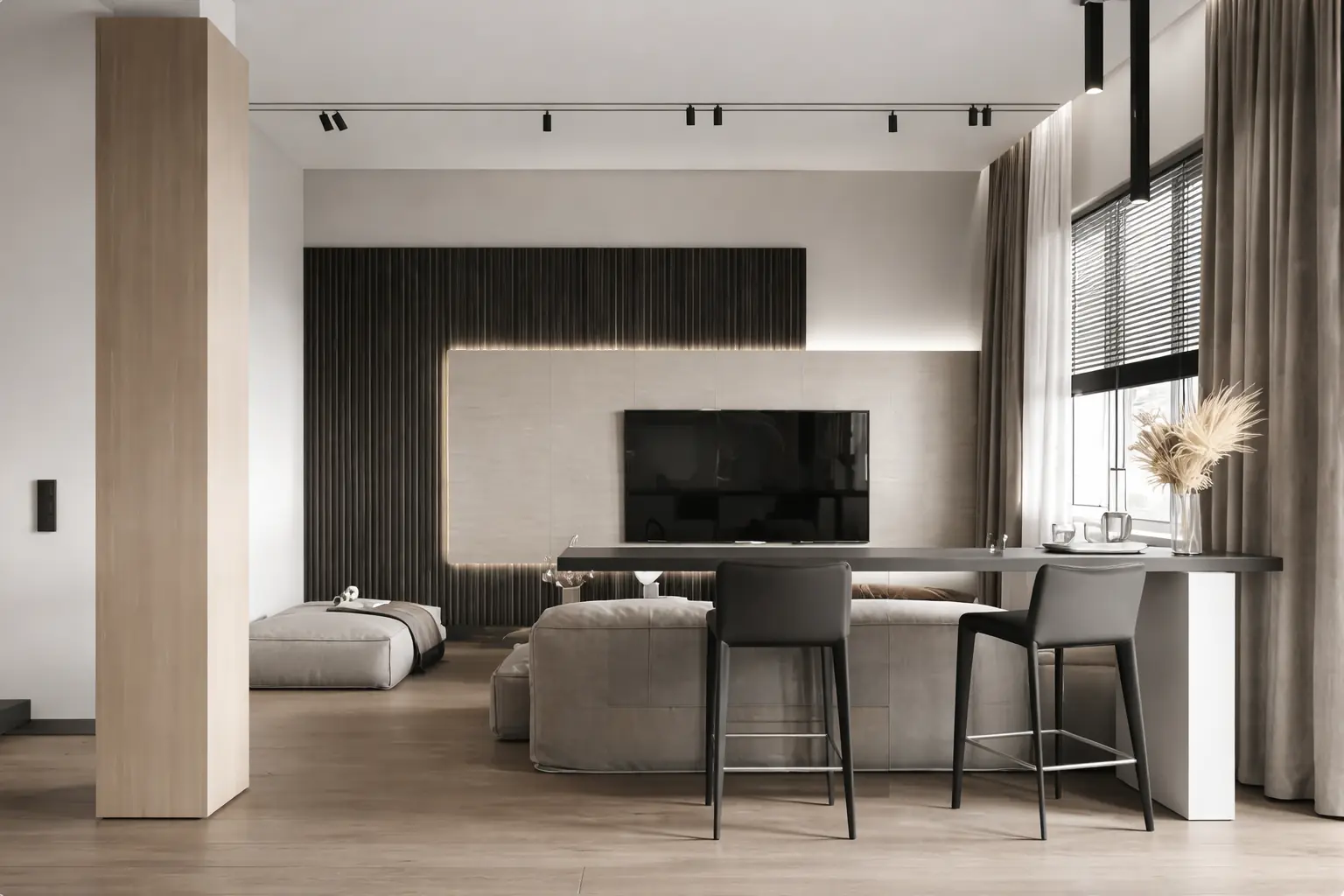
In open-plan Bangalore apartments, living and dining merge into one space. The mandir cannot feel like an afterthought stuck on a wall panel. It must blend without becoming decorative wallpaper. In Mumbai’s tighter 2 BHK layouts, where every square foot counts, the mandir must be integrated smartly into storage without feeling hidden.
Apartments rarely offer perfect symmetry with limited wall options, shared walls, open kitchen concepts, and low ceiling heights. So, how do you apply the mandir direction in your home practically? Designers interpret Vastu by looking at:
• Orientation relative to entry and windows
• Height that supports seated or standing prayer
• Open space in front for movement
• Visual separation from clutter
Even if the northeast isn’t available, the intention behind the best direction for mandir in home can be respected by ensuring openness and light. A beautifully carved mandir crammed into a boxed cabinet defeats the purpose.
While it’s important to consider the ideal mandir direction in your home according to Vastu guidelines, at Bonito Designs we also look at how the space actually functions. Does the mandir receive natural or layered lighting? Is there breathing space around it? Is it shielded from heavy traffic? Does the placement align with calm sightlines?
At Bonito Designs, we plan mandir placement through our LifeDesign philosophy that considers your daily routines in the designing process. Rather than blindly following guidelines, our designers consider:
• How do Bangalore families use living rooms for both prayer and entertaining?
• How do Mumbai homeowners host Ganpati or Diwali gatherings within compact layouts?
• Where can storage be concealed without crowding the pooja zone?
With in-house execution, ISO-certified quality standards, and an end-to-end workflow from design to build, quality checks, and final handover, every detail is controlled. Our team understands local layouts deeply, whether it’s a villa in Sarjapur or a high-rise in Bandra. When spatial flow is planned first, the Vastu guidelines for mandir direction in homes can be integrated more thoughtfully.
The result? Reverence without inconvenience. Because a mandir that interrupts daily movement creates stress.
A mandir should bring calm, not constraint. While the correct mandir direction in homes is important, Vastu is ultimately about creating a space that supports peace, light, openness, and natural movement.
When interpreted intelligently, mandir direction in home enhances your routine instead of complicating it. In cities like Bangalore and Mumbai, where space is precious and layouts are fixed, balance is everything. Place your mandir where it feels peaceful, proportionate, and integrated. That’s when tradition supports modern living instead of fighting it.
If you want to plan a mandir that respects both Vastu principles and modern living, book a consultation with Bonito Designs and let our experts design a space that feels harmonious from the start.